 Customer Helpline:


How NZ Restaurants Are Saving Costs Using Induction Fryers?
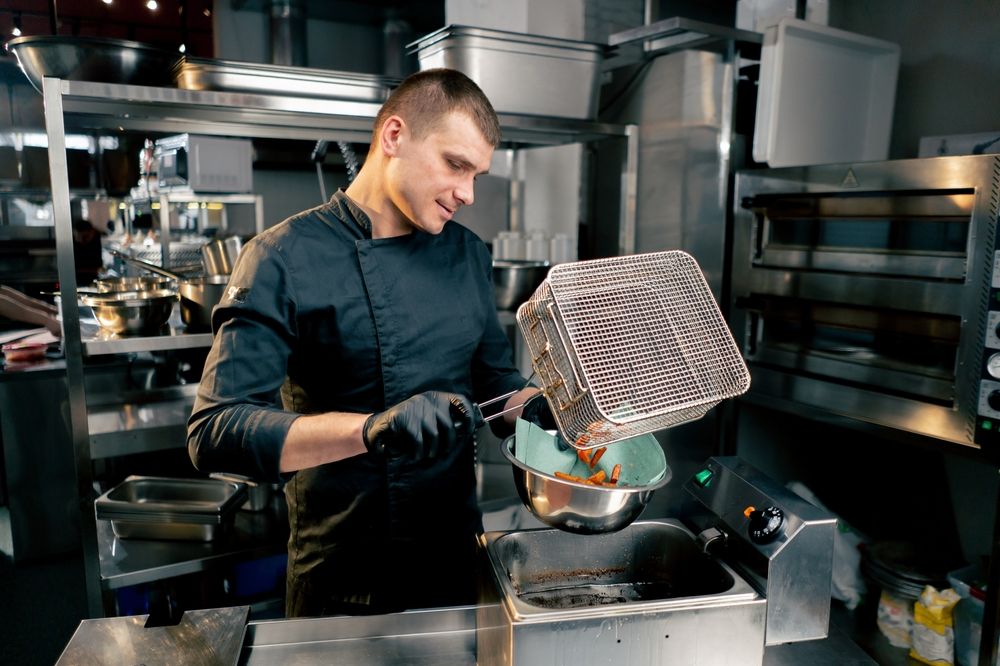
The restaurant industry in New Zealand is undergoing a transformation. Rising energy costs, sustainability mandates, and the government’s long-term plan to phase out fossil gas have forced businesses to rethink their kitchen operations. Among the most impactful innovations is the commercial induction fryer, which uses electromagnetic heating rather than traditional gas or electric resistance heating.
Restaurants across Auckland, Wellington, Christchurch, and smaller towns are discovering that these products are not just a trendy gadget—they are a cost-saving powerhouse that improves efficiency, reduces waste, and aligns with eco-conscious dining trends.
Get quick, consistent frying with precise temperature control for crispy results. Please check out our Electric Fryers.
Energy Efficiency: Cutting Electricity Bills
One of the most significant advantages of induction fryers is their ability to reduce electricity consumption during peak service hours. Traditional fryers often run continuously, consuming large amounts of energy. The titular pieces of equipment, however, heat oil faster and maintain precise temperatures, so they use energy only when needed.
- Faster heating times: Induction fryers reach optimal frying temperature in minutes, reducing idle energy use.
- Lower peak-demand charges: Restaurants save money during lunch and dinner rushes, when fryers run for 4–6 hours straight.
- Thermal efficiency is up to 40% higher than that of gas fryers.
This efficiency translates into hundreds of dollars in monthly savings for small restaurants and thousands of dollars annually for larger chains.
Oil Savings: Less Waste, More Profit
Oil is one of the hidden costs in commercial kitchens. Traditional induction fryers for sale often suffer from uneven heating, which accelerates oil degradation. These electric appliances solve this problem with precise temperature control (±1°C).
- Extended oil life: Restaurants report oil lasting 25–30% longer.
- Consistent frying quality: Less burnt oil means better taste and fewer customer complaints.
- Reduced oil waste disposal costs: Lower volumes of discarded oil reduce waste management costs.
For a busy fish-and-chips shop in Auckland, this could mean saving hundreds of litres of oil annually.
Lower Maintenance & Equipment Longevity
Gas fryers often require frequent servicing due to burner issues, carbon buildup, and safety checks. These appliances, with fewer moving parts and no open flames, are easier to maintain.
- Reduced breakdowns: Electromagnetic systems are more reliable.
- Lower servicing costs: Less frequent need for professional maintenance.
- Longer equipment lifespan: Induction fryers can last years longer than gas alternatives.
This feature not only saves money but also reduces downtime in busy kitchens.
Improved Kitchen Efficiency & Staff Productivity
Products sourced from the top induction fryer suppliers and manufacturers don’t just save money—they make kitchens more efficient.
- Cooler kitchens: No open flames means less ambient heat, improving staff comfort.
- Safer operations: Reduced risk of burns and gas leaks.
- Faster turnover: Precise heating allows chefs to cook more batches in less time.
Restaurants report that happier staff and smoother workflows indirectly save costs by reducing turnover and training expenses.
Sustainability & Government Policy
New Zealand’s government is committed to phasing out fossil gas. Restaurants that adopt electric variants are future-proofing their operations.
- Lower carbon footprint: Induction fryers use electricity, which increasingly comes from renewable sources in NZ.
- Eco-conscious branding: Restaurants can market themselves as sustainable to attract environmentally conscious customers.
- Compliance with future regulations: Early adoption avoids costly retrofits later.
Reduced Ventilation & Air Conditioning Costs
- Lower heat output: These appliances emit significantly less ambient heat than gas variants.
- Lower ventilation requirements: Restaurants spend less on extractor fans and duct cleaning.
- Air conditioning savings: Cooler kitchens reduce the need for expensive cooling systems during summer.
Consistency = Less Food Waste
- Precise temperature control (±1°C) of induction fryers in New Zealand ensures food is cooked evenly.
- Reduced batch failures: Fewer undercooked or burnt items mean less food thrown away.
- Higher customer satisfaction: Consistency reduces complaints and refunds, protecting margins.
Compact and efficient, these products are ideal for kitchens needing quick, consistent results without open flames. Please take a look at Electric Hotplate Griddles.
Lower Insurance & Compliance Costs
- No open flames: Safer kitchens mean fewer fire hazards.
- Reduced risk of accidents: Lower likelihood of burns and gas leaks.
- Insurance premiums: Safer operations can lead to lower insurance costs for restaurants.
Space Optimisation in Urban Kitchens
- Compact design: Induction products take up less space than bulky gas units.
- More efficient layouts: Restaurants in Auckland or Wellington with small kitchens maximise usable space.
- Higher productivity per square meter: Space saved can be used for additional prep stations or storage.
Faster Service = Higher Turnover
- Rapid heating: Products procured from the foremost induction fryer dealers and distributors reach optimal temperature faster, reducing wait times.
- More batches per hour: Restaurants serve more customers during peak hours.
- Revenue boost: Faster service indirectly increases profits while lowering per-meal energy costs.
Marketing & Customer Loyalty
- Eco-friendly branding: Restaurants highlight induction fryers as part of their sustainability story.
- Attracting eco-conscious diners: Customers are willing to pay more for sustainable dining.
- Long-term loyalty: Sustainability initiatives build a stronger brand reputation.
Reduced Preheating & Idle Time
- Instant heat response: Induction fryers don’t need long preheating periods like gas variants.
- Lower idle energy use: They only draw power when actively heating, unlike gas units that burn continuously.
- Operational savings: Less wasted time means more efficient staff scheduling and reduced overtime costs.
Easier Cleaning = Lower Labour Costs
- Flat, smooth surfaces: Induction fryers are easier to wipe down compared to gas options with burners and grates.
- Less grease buildup: Cleaner kitchens reduce the need for deep cleans and professional services.
- Staff time saved: Faster cleaning routines free up employees for other tasks, cutting labour costs.
Multi-Functionality & Menu Flexibility
- Precise control allows chefs to fry, simmer, or even lightly sauté in the same unit when you buy induction fryers online.
- Fewer appliances needed: Restaurants save money by reducing the number of specialised machines.
- Menu expansion without extra investment: More cooking styles are possible without buying new equipment.
Lower Infrastructure Costs
- No gas lines required: Restaurants avoid installation and compliance costs for gas piping.
- Simpler kitchen design: Induction fryers can be plugged into standard electrical outlets.
- Reduced compliance checks: Fewer inspections and certifications compared to gas systems.
Electric cooking equipment delivers consistent heat and precise control, making meal preparation faster and more efficient. Click here to browse our range.
Case Studies: NZ Restaurants Leading the Way
- Auckland Café Chain: Switched to induction fryers and reported a 20% reduction in monthly power tariffs.
- Wellington Fish & Chips Shop: Enhanced oil lifespan by 30%, saving thousands of dollars a year.
- Christchurch Fine Dining Restaurant: Improved kitchen safety and reduced staff turnover, indirectly lowering HR costs.
The Future of Frying in NZ
Commercial induction fryers are not just a cost-saving tool—they represent the future of commercial cooking in New Zealand. As energy prices rise and sustainability becomes non-negotiable, restaurants that embrace induction technology will enjoy:
- Lower operating costs
- Improved food quality
- Enhanced staff satisfaction
- Stronger eco-branding
Conclusion
New Zealand restaurants are saving costs with induction fryers by cutting energy bills, reducing oil waste, lowering maintenance, and boosting efficiency. With government policies pushing toward a gas-free future, induction fryers are more than a wise investment—they’re a necessity for survival in the competitive hospitality industry. By adopting induction fryers today, NZ restaurants are not only saving money but also positioning themselves as leaders in sustainable, efficient, and modern dining.


